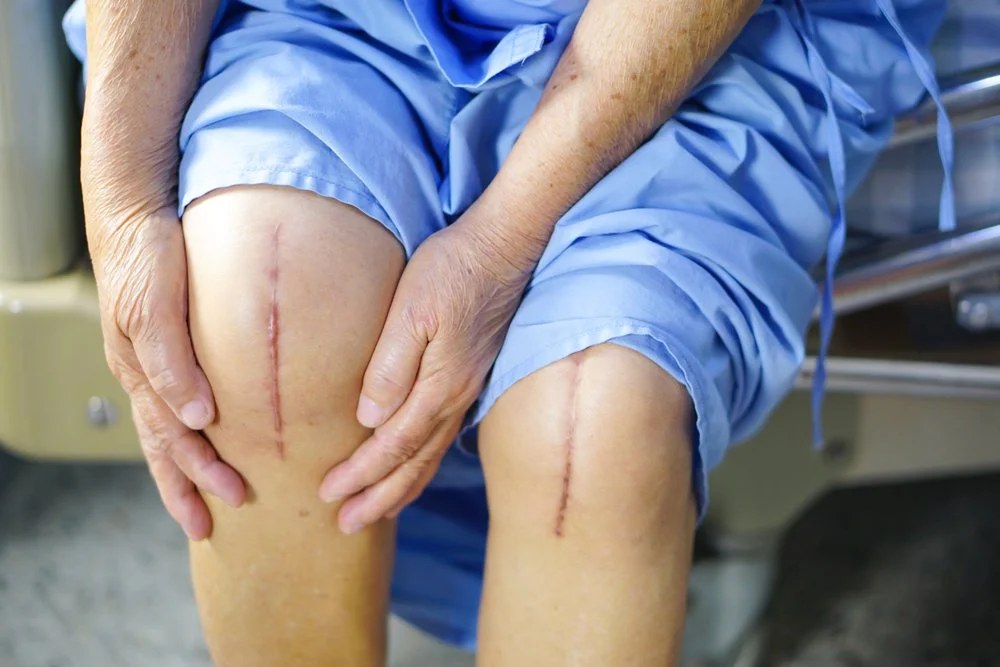
Surgery is a significant event for your body — even when it goes exactly as planned. The weeks that follow involve tissue healing, fluid management, scar formation, and a nervous system that's been through something genuinely stressful. Massage, done correctly and at the right time, can meaningfully support each of these processes. Done incorrectly or too early, it can interfere with them.
This is a guide to what massage after surgery actually looks like, when to start, and what to reasonably expect from it.
Why post-surgical massage is different
Post-surgical massage isn't the same as a regular therapeutic massage, and it shouldn't be approached that way. After surgery, your body is in an active healing state — blood vessels have been disrupted, lymphatic pathways are often altered, inflammation is present by design, and tissue integrity varies significantly from week to week.
The techniques that work for chronic low back pain or athletic tension are not appropriate for a body in early surgical recovery. Post-surgical work requires lighter pressure, careful navigation around surgical sites, awareness of drain placement and port locations where relevant, and an ongoing conversation with what your body is asking for on any given day. The two modalities I use most often in post-surgical care are post-op lymphatic drainage and — once the tissue is more stable — orthopedic massage for addressing scar tissue, restricted mobility, and the compensation patterns that often develop during recovery.
When to start
The honest answer is: it depends on the surgery, and you should always follow your surgical team's guidance. That said, here are general windows that apply to most cases:
Manual lymphatic drainage (MLD) can often begin within the first week after surgery, once incisions are closed and stable. Because MLD uses extremely light pressure and works with lymphatic vessels just beneath the skin — not into muscle or fascia — it's one of the gentlest interventions available and is appropriate earlier in the recovery timeline than most people expect.
Orthopedic massage for deeper structural work is typically appropriate at 6 to 8 weeks post-op for most procedures, and longer for major orthopedic surgeries. The tissue needs time to heal before it can be effectively and safely worked.
When in doubt, ask your surgeon. A quick message to your surgical team — "Is massage safe at this point in my recovery, and are there any areas to avoid?" — takes two minutes and removes the guesswork.
What post-surgical massage can do
- Reduce swelling and fluid retention. MLD helps redirect fluid toward functional drainage pathways, reducing swelling more efficiently than rest alone.
- Support scar tissue formation. Early, appropriate massage encourages more organized collagen deposition and prevents the adhesions that limit mobility down the line.
- Reduce bruising. The light rhythmic movement of post-op MLD helps clear the blood breakdown products that cause bruising, often visibly accelerating the process.
- Manage pain and nervous system load. Gentle, skilled touch activates the parasympathetic nervous system and can meaningfully reduce the pain and anxiety that accompany recovery.
- Restore mobility. Once tissue is sufficiently healed, targeted orthopedic work can address restrictions from scar tissue, immobility, or compensation patterns.
What to expect in a session
Your first post-surgical session begins with a detailed conversation: your surgery type, date, your surgeon's instructions, any drains or hardware still in place, current medications, and how you're feeling specifically today. There's no standardized protocol — your session is built around what your body needs at this point in your recovery.
If we're doing early post-op lymphatic drainage, you'll remain clothed or lightly draped and the work will feel very gentle. Most people find it deeply relaxing. Sessions are typically 45 to 60 minutes. If we're doing later-stage orthopedic work, the session will be more active — working with specific areas of restriction, scar tissue, and mobility limitation, moving incrementally and tracking your response throughout.
Bryan Lindquist, LMT is a clinical massage therapist practicing in Salt Lake City at Flow Acupuncture (1204 E South Temple) and at Huntsman Cancer Institute's Wellness & Integrative Medicine Center. He specializes in orthopedic, oncology, and post-surgical care.
Frequently Asked Questions
How soon after surgery can I get a massage?
For post-op lymphatic drainage, many clients are appropriate candidates within the first week once incisions are stable, always pending surgical team clearance. For deeper orthopedic work addressing scar tissue and mobility, 6 to 8 weeks post-op is a general starting point.
Do I need my surgeon's approval before booking?
I always recommend a quick check-in with your surgical team, particularly in the early recovery window. For later-stage sessions, clearance is generally straightforward. If you're unsure, reach out before booking.
Does post-surgical massage hurt?
Post-op lymphatic drainage uses extremely light pressure and should feel gentle, even relaxing. Deeper scar tissue work done later in recovery can involve some productive discomfort, but you're always in control of pressure and intensity.
What types of surgery benefit most from post-surgical massage?
Orthopedic procedures (joint replacement, rotator cuff, spinal surgery), oncology surgery (mastectomy, lymph node dissection), and general soft-tissue surgeries with significant swelling or scar tissue formation all respond well.
Recovering from surgery?
Gentle, oncology-informed care to help you heal comfortably. New clients welcome.
Book a Recovery Session